
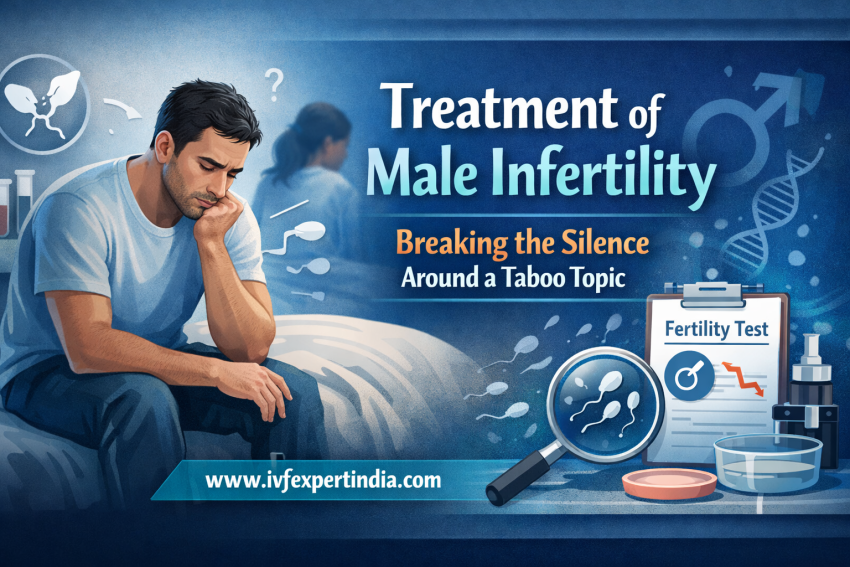
Infertility is gendered in India as reproductive challenges are traditionally a woman-related issue. Nevertheless, medical research demonstrates that male factors are contributing to half of all infertility issues. Despite this reality, discussions about the treatment of male infertility are still limited due to social stigma, myths and fear of being judged. It is necessary to break this silence to establish a normal emotional state for the couples and to provide timely medical assistance.
Understanding Male Infertility beyond Myths
One of the biggest misconceptions is that male infertility is rare or a sign of weakness. The fact is that male infertility may be caused by hormonal imbalances, low level of sperm count, poor sperm motility, genetic conditions, infections, lifestyle, and stress. These are not masculinity reflections but medical problems. Recognizing this fact will be the initial step towards the acknowledgment of the male infertility treatment as a normal and necessary healthcare process.
Why Men Hesitate to Seek Help
The social conditioning contributes significantly to delay in diagnosis and treatment. Most men are scared of being embarrassed, losing status in the society or being blamed within the family. Consequently, fertility testing has been delayed, placing unnecessary pressure on female partners. Such silence can worsen emotional stress and reduce the effectiveness of the treatment of male infertility, especially when early intervention could have made a difference.
Medical Options Available Today
Modern medicine offers a wide range of solutions tailored to the underlying cause of male infertility. Some of the interventions can be lifestyle modifications, hormonal medications to correct the imbalance, surgery for blockages or fix varicoceles, and assisted reproductive therapies (IVF or IUI) when needed. Male infertility is a highly personalized treatment and often less complex than people assume, especially when addressed early.
Emotional Impact on Men and Couples
The experience of infertility also forces men to repress their feelings since they are expected to be strong and resilient in society. Such emotional separation may result in anxiety, depression and relationship strain. One of the significant factors of effective treatment of male infertility is open discussions, counseling, and mutual support among the couples, helping couples face challenges together rather than in silence.
Changing Mindsets and Encouraging Open Conversations
Breaking the taboo requires collective effort—from healthcare professionals, families, and society at large. By normalizing fertility testing for both partners, providing correct information and encouraging empathy, the impact of stigma can be minimized significantly. When men feel safe to talk openly and seek medical advice, the treatment of male infertility becomes not just a medical journey, but a path toward emotional healing and shared responsibility.
Conclusion
Male infertility is a medical condition, not a social flaw. Couples can get timely care and emotional support by addressing the old stereotypes and beliefs and having open conversations. Breaking the silence empowers men, strengthens relationships, and brings hope to countless families striving to build a future together.