
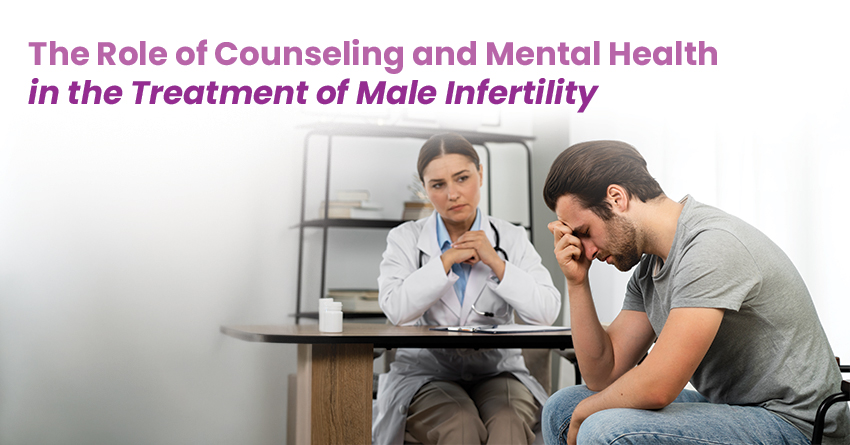
People tend to view infertility as a health problem, whereas it is also an emotional process that involves a lack of confidence, relationships, and psychological well-being. When the couple has a problem with conception, then it is normally the pressure on both partners. But men are mostly faced with a problem of not being able to share their feelings openly because of the social norms and self-deprecation. This renders counseling and mental assistance to be a significant aspect of male infertility treatment.
Treatment of male infertility, new habits, and new techniques can be used to help them physically, but emotional support can make men go through stress more effectively, and remain strong during the process.
Understanding the Emotional Impact
The infertility-related emotional stress can be devastating. Many men experience:
- Anxiety about their health
- The fear of failure with the partner.
- Low self-esteem
- Stress associated with exams and anxiety.
- Judgment and social pressure.
It is absolutely normal to have these feelings however; it is never a topic of conversation. In the process of treating infertility in males, unprocessed feelings may cause an additional stress and the couples are faced with a more difficult task. Counseling assists in making these feelings come out of existence and provides the persons with a secure environment to discuss without the fear of rejection.
Why Counseling Matters during the Treatment Process
Counseling is important in making the men feel supported as the male infertility is treated. Professionally trained counselors make men realize that infertility is a physical illness- not a measure of their power, gender, or value.
Counseling helps by:
- Minimizing diagnosis and treatment-related stress.
- Provision of coping skills in emotional problems.
- Improving the dialogue between the partners.
- Giving instructions in the treatment procedures.
- Assisting men to get rid of negative thoughts or guilt.
Counseling helps men to have the courage to ask questions, share their concerns and remain mentally strong throughout the process of treatment.
Strengthening Communication between Partners
When communication is not facilitated, infertility has the power to widen the gap between the couples. Men tend to conceal the concerns they have as it might overwork their partner. This may eventually lead to misunderstanding or emotional disconnection.
A counselor helps the partners share their emotions freely and in a non-aggressive manner. It is found that many couples find it easier to discuss their fears, hopes, and expectations, and this makes the relationship stronger. This free interaction is very critical in aiding each other in the process of treatment of male infertility.
Managing Stress through Healthy Techniques
Stress may have an impact on both mental and physical health. High stress can even affect the lifestyle of a person including sleep habits, diet, and health during treatment of male infertility.
The techniques that are introduced by counseling to aid in the reduction of stress include:
- Deep-breathing exercises
- Mindfulness practices
- Journaling
- Light physical activity
- Guided relaxation sessions
These techniques assist men to be calm, think rationally, and always remain optimistic in going through treatment choices.
Addressing Social Pressure and Stigma
Infertility continues to be a taboo subject in most families and societies. Men might be embarrassed or judged, yet infertility is a medical illness and has many million sufferers throughout the world.
Counselors assist men in isolating social pressure out of the personal reality. They assist people to manage awkward discussions and they also help them to be resilient to nasty remarks. The strength of this emotion proves to be very useful during the treatment of male infertility particularly during the time when they are being tested or making appointments and even when there is a change of treatment.
Building Hope and Encouraging Patience
The process of infertility treatment is hardly quick. It is patient and involves going to the clinic several times and having emotional strength. Counseling makes men hopeful, prepared, and positive at every stage.
Men are taught to think of progress and not uncertainty and such a positive attitude enhances well being.
Conclusion
Treatment of male infertility is not only about medical practice, but also about the emotional well-being. The counseling should be strong in lowering stress levels, enhancing communication, and making men feel cared about and understood. Couples are able to overcome adversities with resilience and confidence with the appropriate mental health guidance.